


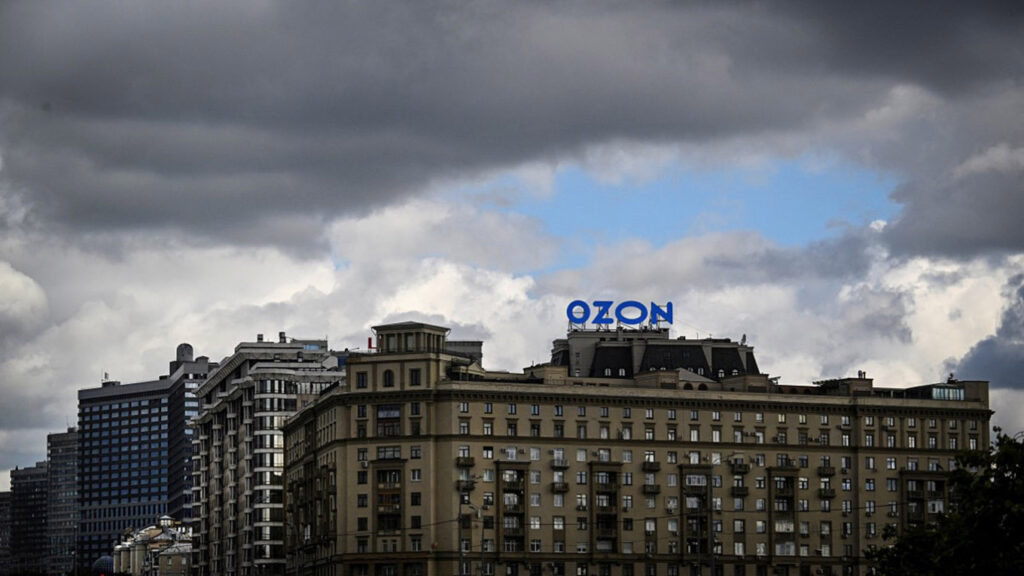
Russian online retailer Ozon estimates that Ukrainian drone attacks on 11 of its logistics facilities have cost it 30.1 billion rubles. The figure appears in its financial report for the third quarter of 2026, which Meduza described as the first Ozon report to disclose the impact of the strikes.
According to the company, the estimate covers damaged goods for sale, the disposal and impairment of equipment and other fixed assets, and other losses and expenses. Ozon said the attacks caused fires of varying severity at the affected sites.
Part of the affected goods and assets was insured, and Ozon said it is negotiating compensation with insurers. It cautioned, however, that any payouts may not be commensurate with the losses it has incurred. Ozon also mentioned fuel shortages and Western sanctions, but said these do not affect its operations.
The damage did not stop the business from expanding. Ozon reported third-quarter revenue of 421.2 billion rubles, about 60% higher than a year earlier, and said it completed 1.2 billion orders, up 76% from the same period of 2025. Adjusted EBITDA, a measure that excludes the estimated drone-strike losses, reached 93 billion rubles, The Moscow Times reported.
Net profit for the quarter was 3.7 billion rubles. Reports framed the figure differently: Meduza said profit rose 25%, while The Moscow Times said it fell from 10.1 billion rubles in the second quarter of 2026, suggesting the outlets used different comparison periods.
The first drone strike on an Ozon warehouse hit its facility in Chapayevsk, in the Samara region, on August 22. Mediazona describes the site as Ozon's largest distribution centre in the Volga region. Over the following two nights, warehouses in Orenburg, Adygeysk, Nevinnomyssk and Makhachkala were also hit, and Meduza reported fires at most sites and people injured. Mediazona said the last known attack, on an Omsk warehouse, came on October 24.
Ozon shares fell 28% on the Moscow Exchange as the strikes began, before partly recovering. The outlet Agentstvo calculated that the attacks in the first three days hit about 233,000 square metres, or 6% of the company's warehouse space.
Ukraine's Defence Ministry openly named Ozon as a target on August 22, calling the attacks on Russian marketplaces "long-range sanctions" against warehouses storing dual-use goods. The Moscow Times reported that the campaign rests on Ukrainian accusations that Ozon and its rival Wildberries help supply the Russian military. That claim has not been independently verified.
The strikes on Ozon followed a campaign against Wildberries that began on July 18. By late August, journalists and analysts counted 23 Wildberries warehouses damaged or destroyed and at least 14 people killed; Meduza later reported that 36 Wildberries sites had been hit within three months. In October, Meduza reported, Ukrainian strikes on data centres belonging to Yandex, Sber and the Federal Tax Service caused major outages at services including Ozon's.
The Kremlin has threatened retaliation. Vladimir Putin said Kyiv had "opened Pandora's box" by attacking commercial sites, and his spokesman Dmitry Peskov, commenting on the Ozon strikes, said Kyiv feels Russia's responses every day. As of late August, the Finance Ministry had prepared a support plan for Wildberries, mainly tax deferrals, while the Economic Development Ministry said it was ready to consider help for Ozon if the company asked. Ozon had tried to prepare by moving expensive goods to pickup points, raising seller insurance rates and offering a storage-free sales scheme, though some sellers still criticised it after the first strikes, Meduza reported.